 0804547944308045479443
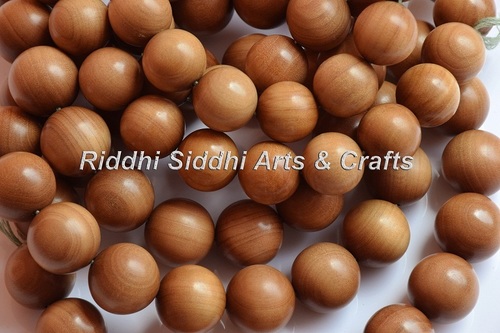
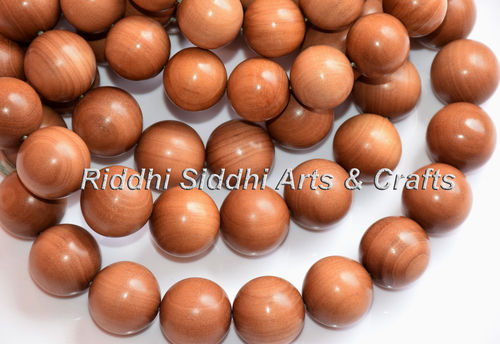
Sandalwood Dhikr Beads
2 USD ($)
Product Details:
- Technics Handmade
- Place of Origin India
- Occasion Religious, Meditation, Gift
- Cutting Method Polished Cut
- Shape Round
- Weight Lightweight (approx. 50 grams per strand)
- Beads Material Sandalwood
- Click to View more
X
Sandalwood Dhikr Beads Price And Quantity
- 1.00 - 2.00 USD ($)
- 2 USD ($)
- 1000 Piece
Sandalwood Dhikr Beads Product Specifications
- Brown
- Sandalwood
- Natural Wood
- India
- Religious, Meditation, Gift
- Lightweight (approx. 50 grams per strand)
- Polished Cut
- Standard (approx. 8 mm bead diameter)
- Handmade
- Round
- Individual polybag or box
- Smooth, polished
- 99 + 1 separator bead
- Long-lasting, wear-resistant
- Available on request
- Dhikr, prayer, meditation
- Natural sandalwood fragrance
- Durable elastic thread
- Yes, made from sustainably sourced wood
Product Description
In the last few years we have established ourselves as one of the most prominent manufacturer and supplier of Sandalwood Dhikr Beads. Beads are an ancient tool that was developed to keep the mind focused on the practice of meditation. At our sound processing unit, we design these beads using premium quality sandalwood. These Sandalwood Dhikr Beads are used by Muslims to keep track of counting in Tasbih.
Features:
- Light weight
- Sturdy in nature
- Termites proof
Sandalwood Dhikr Beads
|
The Misbaha originally consisted of 33 beads corresponding to the years in which Christ was on earth. At the end of the beads there would be one big bead which signifies the One God. Attached to 3 smaller beads which represent the Trinity |
|
Islam adopted the misbaha usually consists of 99 beads (corresponding to the 99 Names of Allah), or sometimes 33 beads (in which case one cycles through them 3 times to equal 99). Some Muslims also believe that its display or presence can act as a good luck charm or to ward off evil or misfortune. In these instances it is rarely if ever used for prayer.
|
|
The beads are traditionally used to keep count while saying the prayer known as the "Tasbih of Fatimah", which was a form of prayer offered as a gift by Muhammad to his daughter, which is recited as follows: 33 times "Subhan Allah" (Glory be to God), 33 times "Al-hamdu lilah" (Praise be to God), and 33 times "Allahu Akbar" (God is the greatest) which equals 99, the number of beads in the misbaha |
Immerse Yourself in Natural Fragrance
Our Sandalwood Dhikr Beads are hand-polished to a smooth finish, unlocking the woods delicate, calming aroma. The gentle, long-lasting scent enhances meditation and prayer, creating a peaceful atmosphere wherever you are.
Durability Meets Tradition
Designed for regular use, these prayer beads are crafted using a robust elastic thread and wear-resistant sandalwood. Their handmade construction ensures each bead feels unique, while the strands resilience supports daily dhikr, spiritual reflection, and meditation practices.
Eco-Friendly and Customizable
Made from sustainably harvested natural wood, these beads offer an eco-conscious option for mindful individuals. We also cater to personalized requests, whether you require custom counting, packaging, or brandingideal for organizations, resellers, or special occasions.
FAQs of Sandalwood Dhikr Beads:
Q: How are the Sandalwood Dhikr Beads constructed and what is their origin?
A: Each set is expertly handmade in India using polished, sustainably sourced sandalwood. The beads are strung using a durable elastic thread, ensuring strength and comfort during prayer or meditation.Q: What is the process for customizing the beads or packaging?
A: Customization is available upon request. You can specify bead count, packaging type (polybag or box), branding, or other preferences by contacting us directly. We will guide you through available options to tailor the product to your needs.Q: When should these beads be used for optimal benefits?
A: These beads are ideally suited for daily dhikr, meditation, or as part of religious observance. Their calming sandalwood aroma and smooth texture support focus and tranquility in spiritual routines.Q: Where are these beads primarily distributed and how are they packaged?
A: Manufactured in India, we distribute globally as exporters, suppliers, and traders. Each strand is individually packaged in a polybag or box, preserving aroma and ensuring protection during transit.Q: What benefits does using sandalwood beads in meditation or prayer offer?
A: Sandalwood beads are valued for their natural fragrant oils, which promote mental clarity, relaxation, and enhanced spiritual focus. The smooth, tactile experience fosters calmness and a deeper connection during prayer or reflective practices.Q: How durable is the product for everyday use?
A: The beads are crafted to be wear-resistant and the elastic thread is designed for longevity. Suitable for daily handling, these prayer beads maintain their shape, scent, and finish over long-term use.Tell us about your requirement

Price:
Quantity
Select Unit
- 50
- 100
- 200
- 250
- 500
- 1000+
Additional detail
Mobile number
Email

Other Products in 'Sandalwood Rosary ' category



Contact Us

- No. 41/205, New Kirana Market, Barah Ji Ki Gali, Gangauri Bazar,Jaipur - 302001, Rajasthan, India
- Phone :08045479443

- Mr. Ghanshyam Agarwal (Proprietor)
- Mobile :08045479443
- Send Inquiry
 Send Inquiry
 Send Inquiry
 Send SMS
RIDDHI SIDDHI ARTS & CRAFTS
All Rights Reserved.(Terms of Use)
Developed and Managed by Infocom Network Private Limited.
Developed and Managed by Infocom Network Private Limited.

